

Why Not Using Alt Text for SEO Is Risky (And How To Get It Right)
Updated: Jun 24
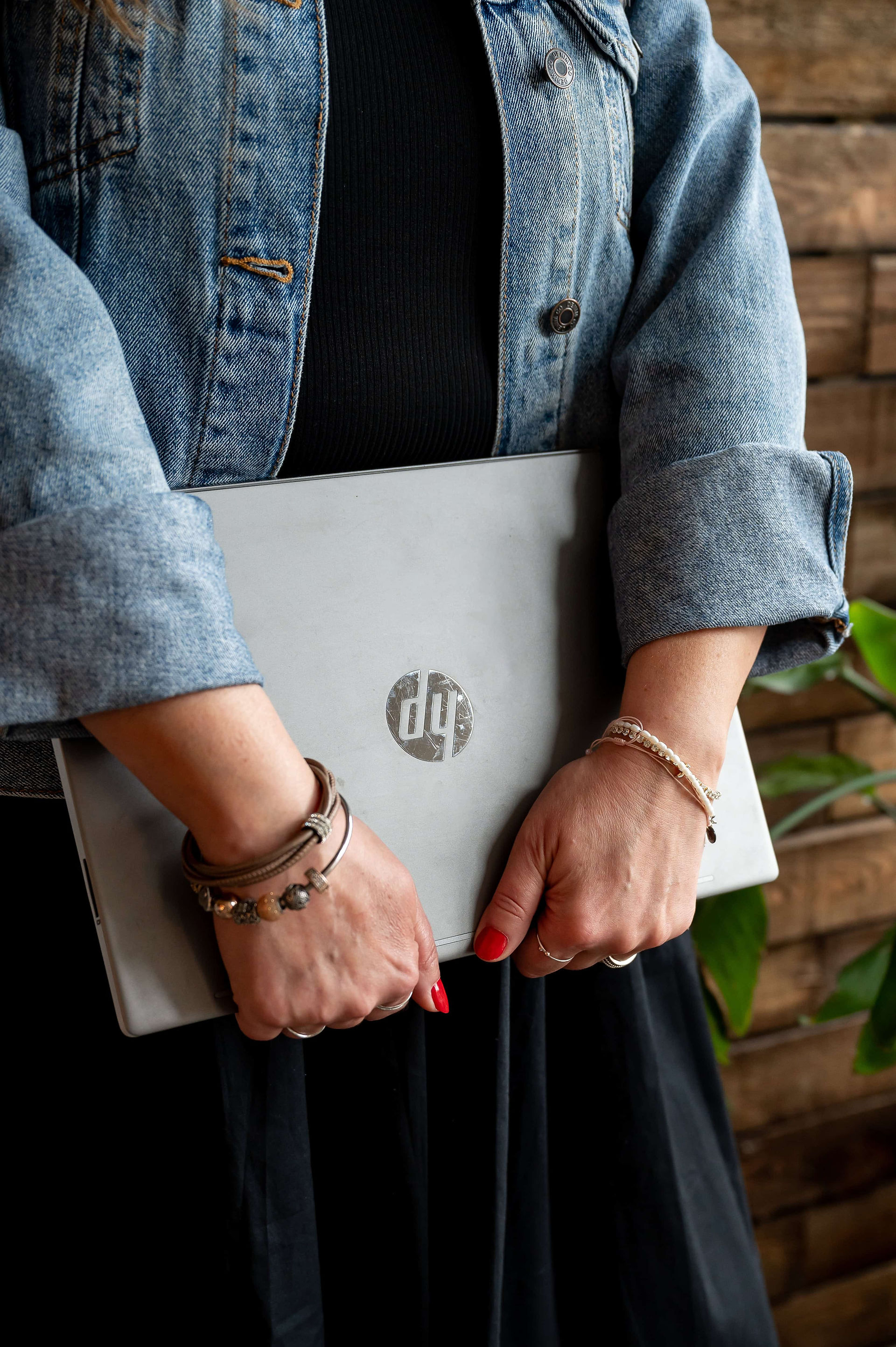

Alt text is often overlooked, but it's crucial for both accessibility and SEO. Let’s dive into why it matters and how to make sure you're using it correctly.
There's an affiliate link in this post but I've not been paid or asked to share it - it just gives us both bonus credits if you use it.
What is Alt Text and Why Does It Matter?
Alt text is a brief description added to an image on your website that helps people who can't see the image understand what it’s about.
It's especially important for users with visual impairments who rely on screen readers to navigate websites.
From an SEO perspective, search engines like Google can’t “see” images, so they use alt text to understand what’s in them.
This helps your images show up in search results and improves the visibility of your website. Without alt text, both your audience and search engines might miss key information.
The Risks of Skipping Alt Text on Your Photos
Not using alt text can significantly impact the accessibility of your site. People with visual impairments depend on screen readers to describe images, and without alt text, navigating your site becomes much harder for them.
This can lead to a negative user experience and may discourage visitors from returning.
In addition to accessibility issues, skipping alt text can also hurt your SEO.
Without proper descriptions, search engines won’t be able to index your images correctly, which means they won’t show up in image search results or contribute to your overall site ranking.
Moreover, if an image doesn’t load, users will have no idea what the content was supposed to be. Alt text ensures that even if the image fails to load, visitors can still understand the message.
Legal Implications of Missing Alt Text
In some regions, including the U.S., laws like the Americans with Disabilities Act (ADA) require websites to be accessible to all users, including those with disabilities.
Not providing alt text could lead to legal consequences, such as lawsuits or fines.
While accessibility laws vary by location, it’s important to ensure your website complies with accessibility standards.
Adding alt text is a quick and easy way to start making your site more inclusive.
How to Write Effective Alt Text
When it comes to writing alt text, there are a few best practices to keep in mind:
Be descriptive and specific: Describe the content of the image as clearly as possible. For example, instead of “a person,” say “a woman with long brown hair smiling in a red dress.”
Keep it concise: Alt text doesn’t need to be overly detailed. Aim for a sentence or two that captures the key information.
Use keywords: If appropriate, include keywords that are relevant to your content. Just don’t stuff them in—make sure the alt text still reads naturally.
Avoid “image of” or “photo of”: It’s implied that it’s an image, so don’t waste precious space with these phrases.
Alt Text Example 1:
Alt text: “A woman with long brown hair wearing a red dress, smiling in a sunlit park with flowers in the background.”
Alt Text Example 2:
Alt text: “A man with short black hair wearing a blue jacket standing on a city street during sunset.”
How to Create Alt Text For Photos Using AI
Most website platforms allow you to add alt text easily when uploading an image.
If you have a lot of images on your site, AI tools like Alttext.ai can save you time by automatically generating alt text for large batches of images.
I’ve personally used Alttext.ai to streamline this process across my photography website, and it’s been such a time-saver.
If you want to try it out, I’ve got an affiliate link that gives you 50 bonus credits to help you get started!
How to Find a Photographer Who Provides Alt Text
If your photographer isn’t providing alt text, it’s worth asking if they can.
To save my clients time and help them get found on google, I now include alt text with my larger brand photoshoot packages.
This way, your images are SEO-ready and accessible right from the start—no extra work needed on your end!
How to Write Alt Text for Brand Photography SEO
Brand photography presents a unique alt text challenge.
Unlike product photos, where you're simply describing an object, brand images are layered. They capture a person, a location, a mood, and often a specific business identity all at once. Here's how to approach them:
Lead with the person and their context. Rather than "woman with laptop," think "Liverpool business coach working at a cafe desk in the Baltic Triangle." You're describing who they are and where they are, not just what they look like.
Include your location keywords naturally.
If your business is based in Liverpool, Manchester, or anywhere specific, your alt text is one of the best places to reinforce that. "Female entrepreneur photographed in Sefton Park, Liverpool during a personal brand shoot" tells Google exactly who the image is of and where it was taken, which directly supports your local SEO.
Reference your profession or niche.
"Wellbeing coach journaling at her home desk during a Manchester brand photoshoot" is far more useful to Google than "woman writing in a notebook." Your profession is searchable.
Describe the mood or story where it adds meaning.
Brand photography is intentional, and every image tells part of a story. "Female founder celebrating at her desk, arms raised, smiling" captures both the visual and the emotional context, which is exactly the kind of rich description that helps your images surface when potential clients are searching for someone like you.
Don't keyword stuff.
"Liverpool female entrepreneur Liverpool business owner Liverpool coach" is exactly what Google is trained to ignore. One or two relevant keywords woven naturally into a genuine description are always better than a list of search terms dressed up as alt text.
If you have a large library of brand images and writing alt text for all of them feels overwhelming, tools like Alttext.ai can generate a first draft for each image that you can then edit for accuracy and keyword relevance, saving you hours without sacrificing quality.
Final Thoughts on Alt Text and Brand Photography
In brand photography, the whole point is to get found, be seen, and attract clients.
That’s why using alt text is crucial.
It helps your images show up in Google searches, making your brand more visible to potential clients.
By optimizing your images with alt text, you’re not only improving accessibility but also increasing your chances of being found online.
This small step can make a big difference in growing your business and standing out in a crowded market.
Instead of spending all your time trying to crack the social media algorithm, take a few hours to make your site more inclusive and easier to find. It’ll pay off in the long run.


